Global Retail Alliance
info@gra.world
  • Login
  • Register
  • Newsletter
  • Virtual Library
  • Choose your country
    • Australia
    • Brazil
    • China
    • Poland
    • Latin America
    • Middle East
GRAGRA
  • Home
  • Membership
    • Silver
    • Gold
    • Platinum
  • Event
  • News
  • Retail Tour
    • Our Tours
    • Europe Retail Tour
    • Retail Tour – New York
    • Retail Tour – Düsseldorf
  • Contact
  • Home
  • Membership
    • Silver
    • Gold
    • Platinum
  • Event
  • News
  • Retail Tour
    • Our Tours
    • Europe Retail Tour
    • Retail Tour – New York
    • Retail Tour – Düsseldorf
  • Contact

Retail News

  • Home
  • Retail News
  • L’Oreal turns to Google as coronavirus spurs virtual make-up shift

L’Oreal turns to Google as coronavirus spurs virtual make-up shift
  • Categories Retail News, Top News
  • Date November 6, 2020
  • Comments 0 comment

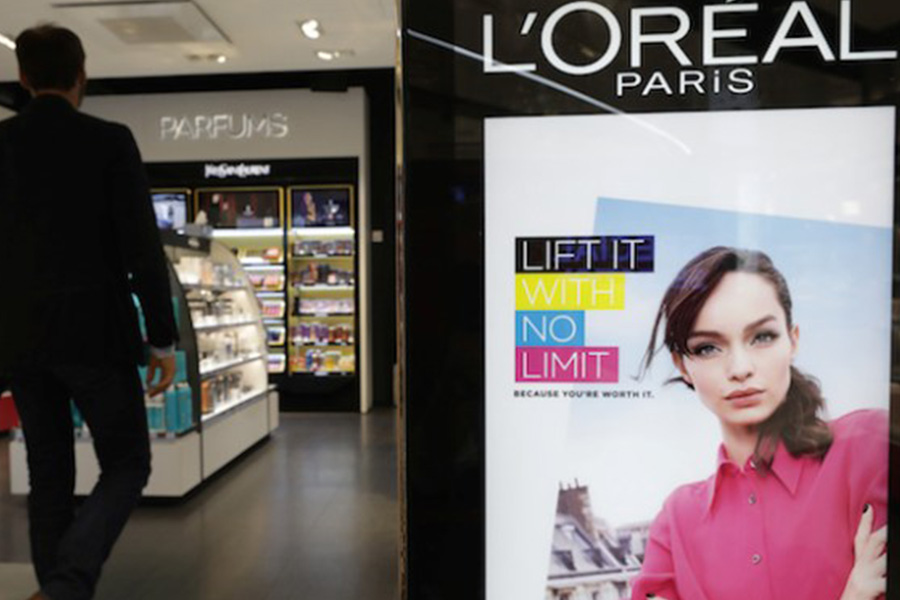
Maybelline maker L’Oreal OREP.PA, which returned to comparable sales growth in the third quarter when coronavirus restrictions eased, has sped up some of its web initiatives as a result of the pandemic, its digital chief Lubomira Rochet said.

“There’s been an acceleration in all our partnerships due to COVID-19,” Rochet said in an online presentation on Thursday.

The Google  partnership relies on technology designed by ModiFace, a Canadian augmented reality specialist acquired by L’Oreal in 2018, and will also extend to the U.S. group’s YouTube video sharing platform, Rochet said.

People seeking lipsticks or eye shadows by L’Oreal brands, which include Lancome and Urban Decay, who come across their adverts on Google or YouTube can then try them online.

YouTube is one of the go-to sites for cosmetics users who often seek out make-up tutorials online, or want to learn from others how to curl their hair.

L’Oreal, which already had a ModiFace partnership with social media site Facebook , has seen usage of virtual make-up tools rise fivefold during COVID-19 lockdowns this year, and the conversion rate from an advert to a purchase was three times higher with the try-ons, Rochet said.

Consumers used it to mimic hair dye colours in particular during coronavirus shutdowns, Rochet added.

Many countries in Europe including France and Belgium have now re-entered lockdown, forcing beauty chains and hair salons to close, and hitting travel retail sales.

Online sales of beauty products, especially in China, have made-up for part of the losses and Rochet expects half L’Oreal’s sales are likely to come from the web within the next three to seven years, up from around a quarter now.

Source: Reuters
  • Share:
gsiino

Previous post

Papa John’s Sales Spike as Nervous Americans Gorge on Pizza
November 6, 2020

Next post

Black Friday Is No Longer a Day, It’s a Concept
November 9, 2020

You may also like

Untitled design (11)
The NVIDIA-FIA Partnership and the Future of Physical AI
16 April, 2026
Untitled design (3)
The high-tech disappearing act happening inside luxury boutiques this year
15 April, 2026
Untitled design (2)
The $200 billion divergence defining the future of retail
15 April, 2026

Leave A Reply Cancel reply

Your email address will not be published. Required fields are marked *

Search News:

News category:

News Archive:

Last News:

The NVIDIA-FIA Partnership and the Future of Physical AI
16Apr2026
The high-tech disappearing act happening inside luxury boutiques this year
15Apr2026
The $200 billion divergence defining the future of retail
15Apr2026
The Death of Tiers and the Rise of Behavioral Hyper-Personalization
08Apr2026
Digital Product Passports and the End of Greenwashing
08Apr2026

© 2022 Global Retail Alliance | info@gra.world | Privacy Policy