Global Retail Alliance
info@gra.world
  • Login
  • Register
  • Newsletter
  • Virtual Library
  • Choose your country
    • Australia
    • Brazil
    • China
    • Poland
    • Latin America
    • Middle East
GRAGRA
  • Home
  • Membership
    • Silver
    • Gold
    • Platinum
  • Event
  • News
  • Retail Tour
    • Our Tours
    • Europe Retail Tour
    • Retail Tour – New York
    • Retail Tour – Düsseldorf
  • Contact
  • Home
  • Membership
    • Silver
    • Gold
    • Platinum
  • Event
  • News
  • Retail Tour
    • Our Tours
    • Europe Retail Tour
    • Retail Tour – New York
    • Retail Tour – Düsseldorf
  • Contact

Retail News

  • Home
  • Retail News
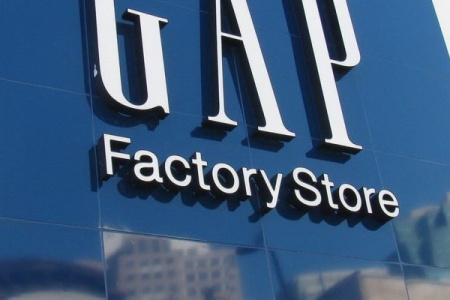
  • Gap against fast fashion

Gap against fast fashion
  • Categories Retail News
  • Date March 8, 2016
  • Comments 0 comment

The competition coming from the righthand side of this chart (the data comes courtesy of a note Credit Suisse sent to clients in January) is a big reason why Gap’s earnings fell by a third last quarter—and why there’s some very understandable skepticism that CEO Art Peck can get the Gap family of brands, including Old Navy and Banana Republic, back on track.

Compared to Gap and other US retailing mainstays like Abercrombie & Fitch, both H&M and Zara are frequently less expensive. They also offer more fashionable looks—often taking their ideas straight from designer runways—and they’re far more nimble in terms of their production capabilities.

Zara, recently hailed (paywall) by the investment firm Bernstein as having “the best business model in apparel,” can design, produce, and deliver a new style in as little as five weeks, and replenish an existing style that’s selling well in just two. This ability means Zara can make less clothing in advance and fill stores according to demand, whereas Gap can be left with racks of unsold goods it bought all at the start of a season.

Gap is feeling so much pressure from fast fashion that it’s finally trying to follow suit. Peck announced in August that the company would test a new fast-fashion buying model that could help Gap get its products to market more quickly. But as retail experts have noted, this would solve only one problem. Gap still would probably also need to lower prices and make more stylish clothing—or it could stick to basics, but then it has to contend with Uniqlo, which has nearly pulled even with Gap in global sales.


discover more

  • Share:
gsiino

Previous post

Hip Hop clothing store in Cape Town, South Africa
March 8, 2016

Next post

Amazon to start selling fresh and frozen Morrisons food
March 8, 2016

You may also like

Untitled design (11)
The NVIDIA-FIA Partnership and the Future of Physical AI
16 April, 2026
Untitled design (3)
The high-tech disappearing act happening inside luxury boutiques this year
15 April, 2026
Untitled design (2)
The $200 billion divergence defining the future of retail
15 April, 2026

Leave A Reply Cancel reply

Your email address will not be published. Required fields are marked *

Search News:

News category:

News Archive:

Last News:

The NVIDIA-FIA Partnership and the Future of Physical AI
16Apr2026
The high-tech disappearing act happening inside luxury boutiques this year
15Apr2026
The $200 billion divergence defining the future of retail
15Apr2026
The Death of Tiers and the Rise of Behavioral Hyper-Personalization
08Apr2026
Digital Product Passports and the End of Greenwashing
08Apr2026

© 2022 Global Retail Alliance | info@gra.world | Privacy Policy