Why Gen Z Is Choosing Queues Over Clicks
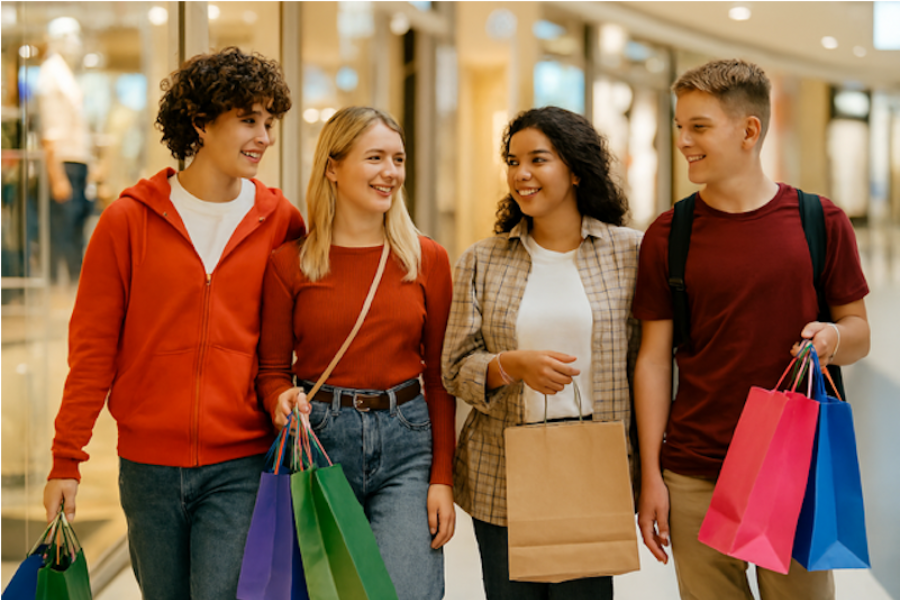
For years, retail’s winning formula has been all about speed, convenience and the removal of friction. Make it faster. Make it cheaper. Take the friction out. It worked, and it worked at scale. But a generation of shoppers is now asking for something the plan was not designed to do. New research suggests that the next generation of consumers wants something else entirely.
A Generation Defined by Moments, Not Transactions
A new research survey showcased the shopping habits and attitudes of more than 2,000 Gen Z consumers. The report identifies the emergence of a generation that invests in moments worth remembering, collects stories and shared experiences as proof they were there and increasingly places greater value on things that are experiential, social and memory-making rather than simply transactional.
The research has dubbed this cohort The Memento Generation. It suggests that Gen Z sees shopping not just as a transaction, but as a way to spend time with friends, create memories and feel part of something. A head of retail at the social media company explained that Gen Z has grown up in an on-demand world, so convenience is expected, but something deeper is happening culturally. This generation is increasingly building identity and connection through shared experiences, moments and memories rooted in the real world. Shopping is becoming less about accumulation and more about meaning, discovery and social connection.
The Return to Physical Retail
The findings challenge the stereotype that Gen Z is an online-only generation driven purely by speed and convenience. More than half of Gen Z shoppers prefer going in-store for the experience rather than buying something instantly online. For 41%, this experience is most enjoyable when shopping in-store with friends or family.
For the Memento Generation, the physical retail experience is critical. Three-quarters visit physical stores to see products in real life or try them on. A similar proportion value being able to see, touch and try products in-store. More than half enjoy taking time to discover new things while shopping. Nearly two-thirds have purchased something mainly because of the experience around it.
Data shows that Gen Z is leading the in-person retail pivot, with younger shoppers making 62% of purchases in physical stores, compared to 52% for older consumers. Separate research from a financial services company indicates that social media is driving an estimated 1.7 billion visits to UK high streets annually. Nearly two-thirds of UK adults have visited a shop or hospitality venue after being influenced by content they saw on social media, but among Gen-Z shoppers the proportion rises to 88%.
The Paradox of Patience
Perhaps the most striking finding challenges assumptions around instant gratification. More than three in five Gen Z shoppers would happily queue for over 15 minutes for something they really wanted. Many said the effort of waiting increased the emotional value of the experience.
Waiting, it turns out, is no longer the friction point retailers have spent so much time removing. For the Memento Generation, the wait can be part of the fun. This is reinforced by separate research which found that nearly nine in ten Gen-Z shoppers would be willing to queue for a sought-after product or experience.
Shopping as a Social and Collaborative Experience
Gen Z’s shopping journeys increasingly happen within their inner circle, where shopping becomes collaborative, recommendations are trusted and purchase decisions are made together. Rather than broadcasting purchases publicly, Gen Z is using private chats and close friendship groups to validate decisions, share opinions and turn shopping into a shared experience.
The vast majority send photos or videos of products they are considering buying to friends or family before purchasing. Nearly half have purchased something after sharing it in a group chat and receiving a positive response. More than half shop at least sometimes primarily to spend time with others rather than to buy something.
A head of retail at the social media company noted that what is particularly interesting is where these conversations are happening. Gen Z shopping journeys are increasingly driven by close friendships, messaging and trusted recommendations rather than public posting. This is what defines the Memento Generation: a generation creating social currency not through ownership or performance, but through shared moments, memories and experiences that feel real.
The New Economics of Experience
To understand why Gen Z shops the way they do, one must understand the world they come from. Financial insecurity, shrinking social mobility and the sense that milestones like home ownership are out of reach have reshaped how this generation thinks. Rather than deferring enjoyment to a future that feels increasingly unreliable, they are committing to the present. Nearly half of UK Gen Z prioritised spending on having a good time and making memories in the last year. Three in five Gen Z and millennials would rather spend on life experiences than save for retirement.
This shift shows up on the shop floor in ways that are tough to ignore. Social media posts about products or stores are prompting a viral pilgrimage economy, where consumers travel significant distances to experience products, venues and trends they first discovered online. More than a third of the Gen-Z age group surveyed have travelled to another city or region to purchase a product they first saw trending online. Once there, nearly nine in ten said they would be willing to queue for a sought-after product or experience.
A Generational Shift in Retail
The research suggests that Gen Z is operating with a fundamentally different value system, one shaped by growing up in an on-demand digital world while simultaneously facing economic insecurity and uncertainty about the future. While convenience remains important, Gen Z increasingly wants shopping to deliver both efficiency and experience, blending practicality with discovery, connection and memory-making.
The vast majority say their shopping approach depends on the situation: sometimes they want efficiency, other times they want to explore and discover new things. This flexibility could become a problem for many retailers, as managing two consumer wants is considerably more difficult than focusing on one. Gen Z values retail experiences that feel authentic, useful and emotionally rewarding rather than performative or overly theatrical.
A retail expert and founder of the consultancy behind the research noted that while convenience remains important, Gen Z increasingly wants shopping to deliver both efficiency and experience, blending practicality with discovery, connection and memory-making. The head of retail at the social media company added that Gen Z want to uncover brands and products and experiences that feel culturally relevant, but are also personally meaningful. Rather than pursuing the fastest or cheapest route to purchase, they really enjoy browsing, they want to do that research, they want to discover something unexpected. What is really interesting about this generation is that the journey they go on has become part of the value exchange.
This is the Memento Generation: a generation for whom the queue is not a barrier but a badge of honour, the store is not just a place to buy but a place to belong and the shopping trip is not a chore but a chance to create a memory worth keeping.
Sources:

You may also like

Why Every Online Order May Soon Get a Made to Measure Box

AI Agents Step Into the Store Manager’s Office