Pay Later Moves From the Shopping Basket to the Shop Counter
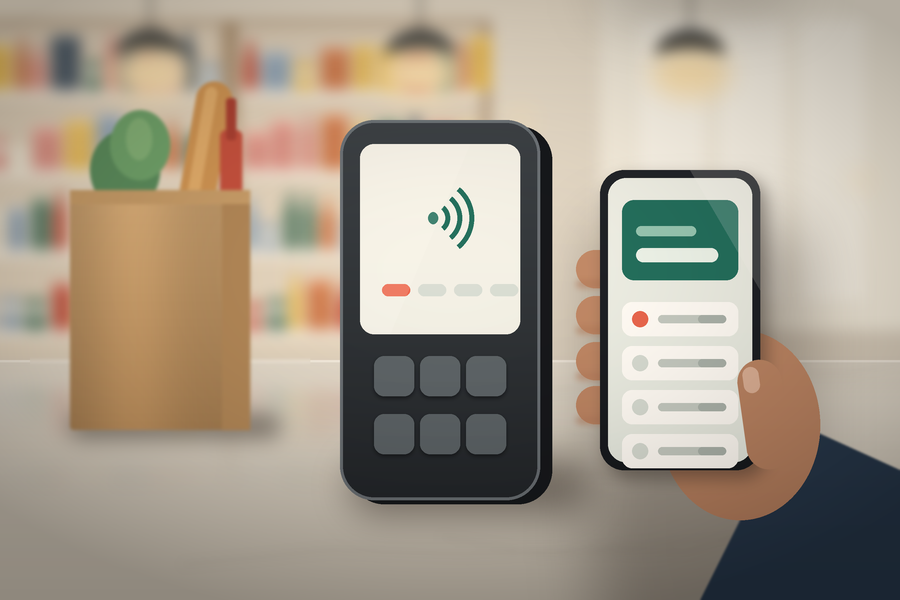
At 100,000 shop counters across the United States, a new choice now appears on the payment screen at the till. Shoppers can pay in full, pay within 30 days or split the bill into interest free instalments. The option went live in October on the point of sale platform that a major US payments technology group runs for small businesses. The same instalment service is now coming to the group’s platform for large merchants in the United States, Canada, the United Kingdom and selected European markets. Buy now pay later grew up as a button on a website. It is now being built into the terminal itself, and that changes how retailers everywhere will decide which payment options sit at the till.
What happened
A Swedish payments company announced that its instalment service is live at 100,000 physical merchant locations in the United States through the US group’s small business point of sale system. A UK retail technology publication reported that the two companies then extended their partnership to large merchants. For the first time the service will be available on the group’s enterprise commerce platform, which handles checkout in stores and online.
A payments trade publication described the reach of that second agreement. It covers four regions and both physical and digital checkout. Large merchants already on the platform can offer the service across stores and websites through one provider relationship. Shoppers get three choices. They can pay immediately, pay within 30 days or spread the cost over interest free instalments. The instalment company says it makes a new credit decision on every transaction.
An industry newsletter on payments framed the deal as a story about distribution rather than a new feature. Its argument is simple. The easier an option is to offer wherever people shop, the more likely it is to become a mainstream way to pay.
From layaway to the payment screen
Spreading the cost of a purchase is old. Many shops once offered layaway. A customer paid for an item in instalments and collected it only after the final payment. A US business news site has described modern instalment plans as the reverse of that model. The shopper takes the item home at once and pays afterwards.
The modern version took off online. Shoppers met it as a button at the checkout page, and the approval happened inside a browser. Stores were harder. In 2021 a US retail trade publication reported that the lack of options inside shops was seen as a major hurdle for mass adoption. Adding instalments to a physical checkout usually meant significant software and hardware work. Early workarounds asked shoppers to scan a QR code at the counter or open a link sent by text, then pay through a mobile wallet. The same report noted that the US market was less developed than those in Europe and Australia at the time.
What has changed is where the integration happens. Instead of each retailer wiring a new provider into its tills, the instalment company now plugs into the payment processor. When the small business agreement was first announced in April 2025, a digital marketing research firm reported that the processor would switch the option on automatically across its US point of sale systems. It said the rollout would reach all of the platform’s devices in early 2026. The October announcement confirms the service is now live at 100,000 locations.
How it works at the till
At participating counters the instalment company’s logo appears on the payment device’s opening screen, according to a US payments trade publication. That logo is the cue for a shopper who wants to spread the cost. The choices are the same three offered online. The instalment provider says it makes a fresh credit decision on each purchase.
For the retailer the change sits mostly behind the counter. The option arrives through the same system that already processes card payments. Because the processor switches it on, a small shop does not have to integrate a new provider itself. On the enterprise platform the same applies across channels. A retailer selling in stores and online can present the same choices in both places through one payment relationship.
This is the core of the shift. Buy now pay later used to be something a retailer had to go and add. It is increasingly something the payment infrastructure already carries.
A global pattern with local rules
Other markets have moved further on the rules that govern these plans. In the United Kingdom the financial regulator says around 11 million people use these plans. From 15 July 2026 providers there need its authorisation. They must run proportionate affordability checks and give clear upfront information on payment dates, amounts and the consequences of a missed payment. Customers can now take unresolved complaints to the national financial ombudsman.
Australia moved earlier. Since 10 June 2025 anyone providing these contracts there must hold an Australian credit licence, according to the country’s corporate regulator. Australia also created a new category of regulated credit called low cost credit contracts. Providers whose products meet the fee and term limits can follow modified responsible lending obligations. The regulator is explicit that an instalment plan does not need to charge interest to count as credit.
Brazil is taking a different route. Its central bank has set rules for an instalment feature on the country’s instant payment system, a public network for instant transfers between accounts. A payments industry publication reported that the feature lets shoppers split purchases without a credit card while the merchant receives the full payment upfront. The central bank presented it as an alternative to credit cards with a financial inclusion goal. In Brazil the instalment option is being built into public payment infrastructure rather than offered by private providers alone.
Back in the United States, usage is substantial. The US central bank’s latest survey of household finances found that 16 percent of adults used buy now pay later in 2025, up one percentage point on the previous year.
What shoppers and stores gain
For shoppers the gain is choice at the moment of payment. A customer facing a larger bill in a shop now has the same options available online, without downloading anything first. Paying within 30 days or in interest free instalments can make a bigger purchase manageable.
For small retailers the gain is access. A neighbourhood shop on the US platform now offers a payment method that once required a technology project. The processor turns it on, so there is no separate integration project for the shop.
For large retailers the gain is consistency. Offering the same payment choices in stores and online through one platform across four regions reduces the number of separate integrations to manage. It also brings the store and website experiences closer together, which the US payments group says the partnership aims to do.
For the instalment providers the store is a new source of growth. When the small business deal was announced, the digital marketing research firm described physical stores as a new growth avenue at a time when industry volume growth was slowing.
In Brazil the merchant benefit is explicit in the design. The shop receives the full amount upfront while the customer pays over time.
The risks of credit at the counter
Making credit easier to reach at the till also makes it easier to overuse. The US central bank found that 11 percent of people who used buy now pay later had a payment trigger an overdraft or insufficient funds fee from their bank in the previous year. That cost falls on households, and it starts with a purchase.
Some experts have raised concerns about these plans as consumer debt grows, the US business news site noted. A per transaction credit check is designed to manage that risk. But a shopper standing at a counter with a queue behind them has less time to think than one browsing at home.
Regulation is tightening. In the United Kingdom affordability checks and ombudsman complaints are now part of the product. In Australia providers must be licensed. Retailers that operate in several countries will see instalment options governed by different rules in each market, even when the technology at the till looks identical.
There are practical questions too. Staff at the counter will now field questions about a credit product. The 2021 experience showed how much integration work in store payment changes can demand, and even with processor level integration a large retailer still has to test, train and support the change across its estate.
The counter becomes a credit decision
For retailers the main lesson is that payment choice is now arriving through the payment processor. Decisions that once sat with the ecommerce team now reach the shop floor. Retailers will want to know which options their processor switches on by default and how those options appear on the screen. They will also need to know what customer protection rules apply in each market where they trade.
The direction of travel is clear from stated plans. When the small business agreement was announced, the two companies said they intended to extend it later to online sales and to markets beyond the United States. The enterprise agreement now covers four regions, though no date has been given for when merchants on the larger platform will go live. In the United Kingdom the new rules are now in force. In Australia licensing is in place. In Brazil instalments are becoming part of national payment infrastructure.
The common thread is that instalments are moving out of the browser and into everyday checkout systems. Whether shoppers welcome that will depend on how carefully the option is presented and how responsibly it is lent. For retailers the terminal on the counter is no longer only a place to take payment. It is becoming a place where a credit decision is made.
Sources
[1] Retail Technology Innovation Hub
[2] The Paypers
[3] Connecting the Dots in Payments
[4] Quartz
[5] Retail Dive
[6] EMARKETER
[8] Yahoo Finance
[9] Australian Securities and Investments Commission
[10] PaymentExpert
[11] Federal Reserve

You may also like
Pavement Robots Move From Pilot Projects to Grocery Delivery