The Emergence of Post-Purchase Tech as a Category
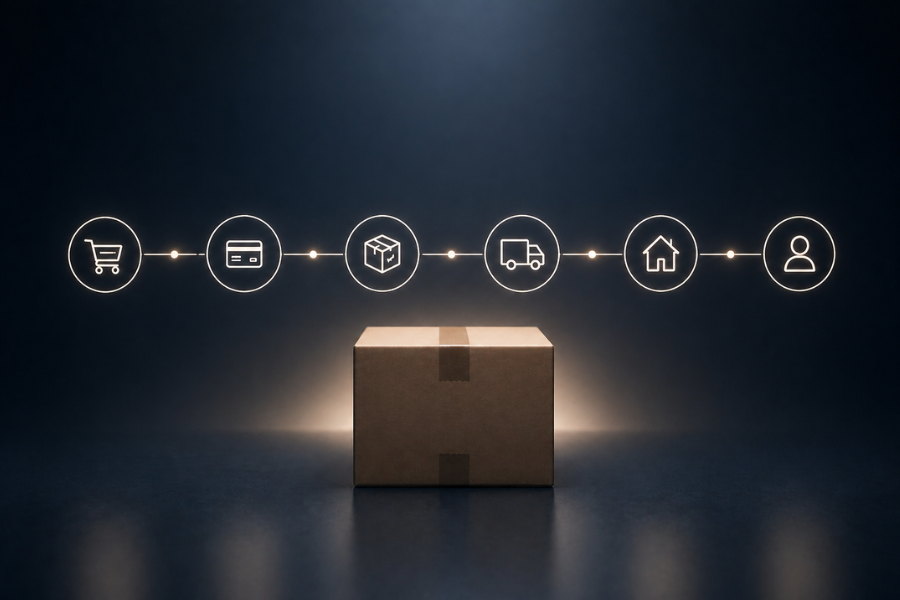
Retail innovation has historically focused on discovery, merchandising and checkout. However, a growing share of investment and innovation is now shifting beyond the point of purchase.
Post-purchase technology – tools and systems that manage the customer experience after checkout is emerging as a distinct and rapidly growing category within retail tech.
Defining the Post-Purchase Layer
The post-purchase phase includes everything that happens after a transaction is completed. This includes order tracking, delivery communication, returns, exchanges and customer support.
Solution providers have built platforms specifically focused on this stage of the customer journey.
These platforms provide retailers with tools to manage communication, improve transparency and streamline operations, turning what was once a fragmented process into a structured system.
Why the Post-Purchase Experience Matters
The importance of the post-purchase experience is supported by consumer behaviour.
According to industry research, delivery experience and returns policies significantly influence repeat purchase decisions. Customers expect real-time updates, accurate delivery estimates and simple return processes.
A lack of visibility or delays in communication can lead to dissatisfaction, even if the initial purchase experience was positive. This has made post-purchase interactions a critical touchpoint for customer retention.
The Role of Tracking and Communication Platforms
One of the most visible components of post-purchase tech is shipment tracking.
New platforms enable retailers to provide branded tracking pages, automated notifications and real-time updates. This reduces the need for customer support inquiries while improving transparency.
Similarly, some offer solutions that combine tracking, notifications and returns management into a single platform, allowing retailers to manage the entire post-purchase journey.
These systems are particularly valuable in e-commerce, where the physical separation between retailer and customer increases the importance of communication.
Integration with Returns and Reverse Logistics
Post-purchase technology is closely linked with returns management, which has become a major area of innovation.
Platforms integrate returns into the post-purchase experience, enabling customers to initiate and complete returns with minimal friction.
This integration allows retailers to manage returns alongside delivery and communication, creating a more cohesive experience.
It also enables better data collection, allowing retailers to analyse return behaviour and improve upstream processes.
Operational Benefits for Retailers
Beyond customer experience, post-purchase technology offers operational advantages.
By automating communication and tracking, retailers can reduce the volume of “Where is my order?” inquiries, which are a major driver of customer support costs.
Centralised platforms also provide visibility into delivery performance, helping retailers identify delays, optimise carrier selection, and improve service levels.
These operational efficiencies contribute directly to cost reduction and performance improvement.
The Growth of a New Category
The emergence of post-purchase tech as a category is reflected in market activity.
A growing number of startups and established companies are focusing on this space, offering specialised solutions for tracking, communication, returns and customer engagement.
At the same time, retailers are increasingly recognising the importance of this layer and investing accordingly.
This indicates a shift in how the customer journey is understood, from a linear funnel ending at checkout to a continuous lifecycle that extends beyond it.
Sources

You may also like
Pay Later Moves From the Shopping Basket to the Shop Counter
Pavement Robots Move From Pilot Projects to Grocery Delivery