Do retailers need to further commit to free delivery?
While often cited as a conversion necessity, the wide majority of retailers only offer free shipping occasionally for promotional campaigns, according to a study from parcelLab.
The logistics platform from July to October 2020 studied the order, shipping, delivery and returns processes of 52 of the National Retail Federation’s top 100 U.S. e-commerce retailers that regularly shipped products to customers.
Of the 52, only four — or eight percent — generally offered free shipping with no minimum purchase required. Sixty-two percent offered free shipping above an order value of $35. The remaining 30 percent did not offer free shipping at all, adding an average of $4.25 to each purchase for shipping costs.
Free returns were more common. Slightly more than a majority of retailers analyzed offered returns for free or had a “no need to return” policy. Of the 43 percent of retailers that charged for returns, 59 percent charged more than $10.
ParcelLab said requiring free shipping minimums or always charging for shipping or returns could “increase the chances of a customer opting not to shop with the retailer in the future due to these additional, inadvertent costs.” Not doing so also puts retailers at a competitive disadvantage to the free shipping promise of Amazon Prime.
Yet the reason many retailers set minimum thresholds for free shipping or charge is to offset escalating logistic costs. A Gartner study from December found retailers with more than 50 percent of revenue from the online channel have logistics costs as a percentage of sales that are almost double those of their store-focused counterparts.
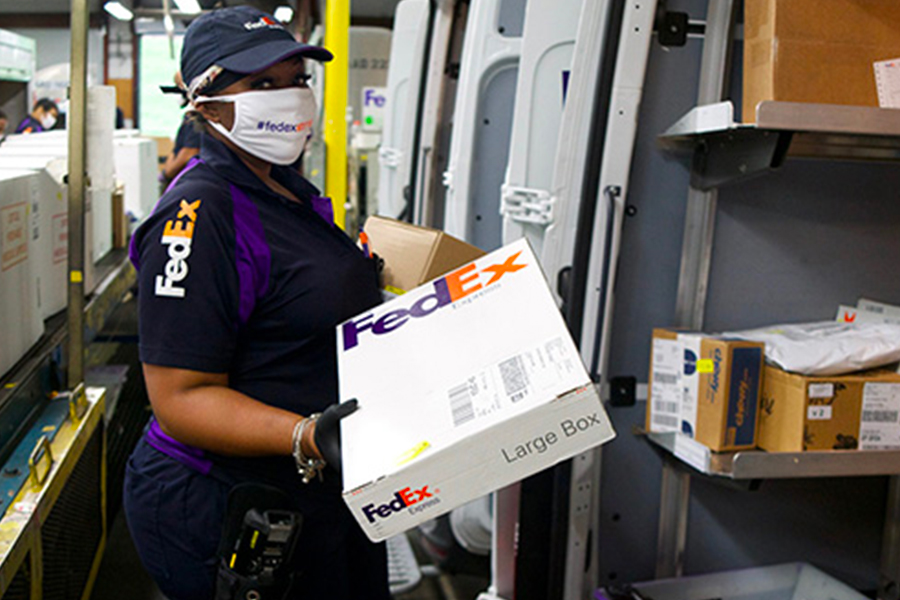
Logistic costs have remained elevated during the crisis as carriers have steadily applied surcharges to offset the strain of unprecedented online shipping volume. In mid-January, FedEx Corp. announced plans to add a surcharge for its large customers (over 30,000 weekly average packages) “until further notice.” The move heightened concerns that shipping charges that traditionally arrive during peak selling periods may become a regular occurrence.
Source: RetailWire

You may also like
Why Every Online Order May Soon Get a Made to Measure Box

AI Agents Step Into the Store Manager’s Office