How the future of fit could spell the end of retail returns
In retailing, buyers aren’t necessarily keepers. According to a 2015 study by the Retail Equation and National Retail Federation, total merchandise returns accounted for more than $260.5 billion in lost sales for U.S. retailers last year, meaning that if merchandise returns were a corporation, it would rank No. 3 on the Fortune 500 list.
That’s a staggering statistic, and one many retailers are struggling to change. Per the same NRF report, most send-backs are due to customer satisfaction issues: Jill Standish, senior managing director, retail, at New York-based consultancy Accenture, cites product defects, a lack of personalization and, notably, poor fit as major factors related to return activity.
While stores can work more closely with manufacturers to solve quality control issues, and personalization is becoming increasingly important, helping customers find the right fit has proven vastly more challenging—and more costly. To that end, some retailers have begun exploring next-generation solutions, such as fit technology.
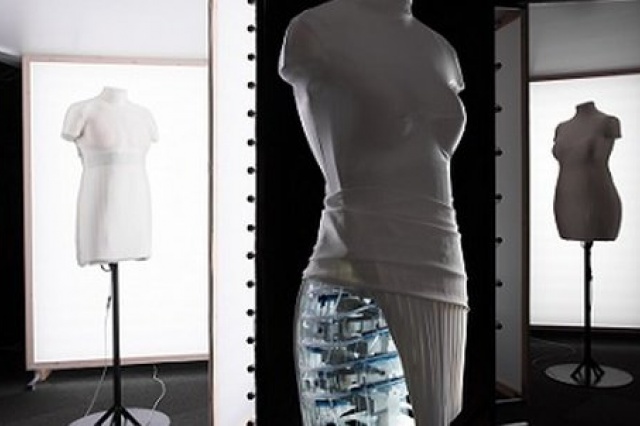
In the simplest terms, fit technology leverages new data science that aggregates consumer information regarding size and fit in apparel and footwear, and applies that information to potential purchases with the intention of matching customers with items that will best suit them. The idea is that if shoppers can make more accurate size and fit decisions when buying apparel and footwear, the number of fit-based returns will be vastly reduced.
Experts say that these tools are game-changing when it comes to returns. “[Retail tech startups] are helping to improve the front end and make sure the customer is buying the right product for them,” Standish told Retail Dive. “This helps to fix the return problem at the beginning.”
Read More at Retail Dive

You may also like
Digital Identity Goes Live at the Checkout

The Identity Infrastructure Behind AI Shopping