The Great Barcode Migration and the Rise of Dynamic Retail Intelligence
The retail landscape of 2026 is currently navigating the most significant overhaul in product identification since the 1970s. As the industry marches toward the global GS1 Sunrise 2027 milestone, the familiar linear barcode is being augmented by data-rich 2D barcodes and Electronic Shelf-Edge Labels. This transition represents a fundamental pivot toward an algorithmic retail model where every item on a shelf acts as a live, interactive data point.
The Sunrise 2027 Mandate and the Limitations of 1D Codes
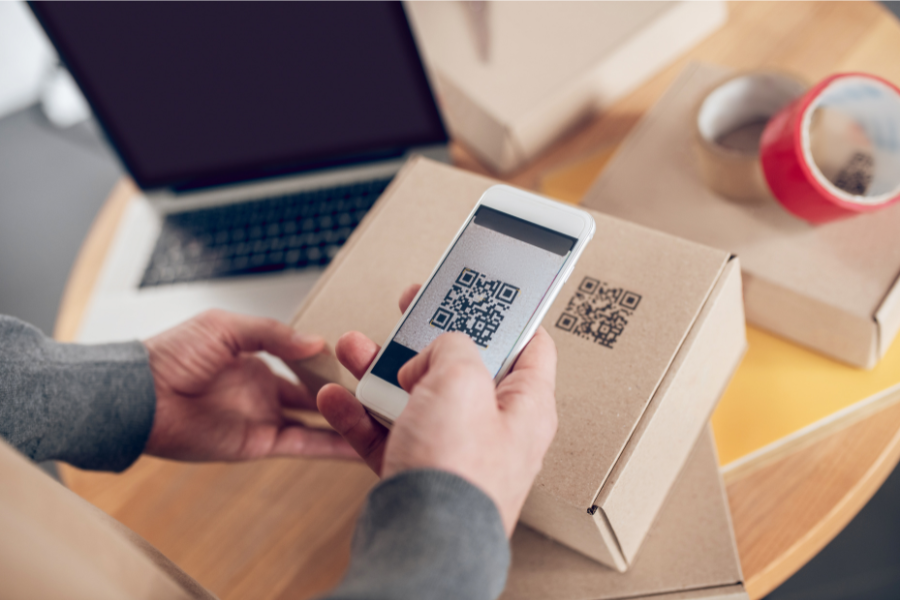
For half a century, the traditional UPC/EAN barcode served one primary purpose, which was identifying a product at checkout. However, modern supply chains and heightened consumer expectations for transparency have outgrown its limited capacity. The GS1 Sunrise 2027 initiative, often referred to in the industry as “Ambition 2027,” establishes the standard that by the end of 2027, all Point of Sale systems globally must be capable of scanning 2D codes, such as QR codes and GS1 DataMatrix.
Recent industry data from PACK EXPO East in February 2026 emphasizes that we are currently in a dual-marking phase. Because billions of legacy scanners remain in use, brands are printing both the traditional 1D barcode and a new 2D code within 50 millimeters of each other to ensure checkout speed isn’t compromised. The leap in capability is massive because 2D codes can store batch numbers, expiration dates and GS1 Digital Links. This allows a single symbol to act as a checkout identifier for the retailer and a transparency portal for the consumer, who can scan the same code to view nutritional info or sustainability certifications.
The Rise of the Algorithmic Shelf through ESELs and Dynamic Pricing
While 2D barcodes improve the data within the product, Electronic Shelf-Edge Labels are revolutionizing how that data is priced and managed. In early 2026, Walmart confirmed it is accelerating its rollout of digital tags from VusionGroup to 2,300 stores, with a goal of chainwide deployment within the next year. This technology moves pricing from a manual, labor-intensive task to a centralized, instantaneous operation that can be managed from a corporate headquarters or a store manager’s tablet.
Retailers are utilizing ESELs to solve the lag time between a pricing decision and its execution on the floor. Traditionally, updating paper tags for a store with 120,000 items could take multiple days of employee labor. Now, prices can be adjusted in minutes to respond to competitor sales or to automate markdowns for fresh food nearing its expiration date. This automated markdown process is often triggered by the expiration data now held in the new 2D barcodes. Furthermore, these tags feature “Stock to Light” capabilities, where small LEDs blink to guide store associates to the correct shelf for online order fulfillment, significantly increasing picking accuracy and speed.
Corporate Pioneers and the Integration of Digital Twins
The adoption of these technologies is being driven by industrial giants integrating them into AI-driven supply chains. At CES 2026, PepsiCo announced a landmark collaboration with Siemens and NVIDIA to create “Digital Twins” of their manufacturing facilities. By using physics-based simulations in the NVIDIA Omniverse, PepsiCo can virtually test how 2D barcode data flows through their plants before physical implementation. Initial deployments have already delivered a 20% increase in throughput by uncovering hidden capacity in their logistics.
Simultaneously, Amazon’s Transparency program has evolved into a critical infrastructure tool. Amazon now utilizes unit-level serialization via 2D barcodes to verify authenticity and combat counterfeiting. Every single item produced for the platform receives a unique digital passport, allowing for granular tracking from the factory floor to the customer’s doorstep. This level of serialization is becoming the gold standard for brand protection in a high-speed digital economy.
Consumer Impact and the Future of Personalized Transparency
For the modern shopper, these innovations replace static paper labels with interactive displays. As noted by The Robin Report in March 2026, Gen Z and Alpha shoppers increasingly demand ethical and sourcing transparency. A simple scan of a 2D barcode can now reveal the specific farm where an ingredient was grown or provide specialized certifications directly at the point of sale.
As we approach 2027, the barcode is evolving from a silent identifier into a dynamic communicator. The combination of ESELs and 2D data allows for hyper-personalization, where loyalty members may see personalized discounts reflected on the digital shelf as they walk by. By bridging the gap between physical goods and digital data, retail is becoming more transparent, more efficient, and ultimately more responsive to the needs of the individual consumer.
Sources:

You may also like


Digital Product Passports and the End of Greenwashing