The Death of Tiers and the Rise of Behavioral Hyper-Personalization
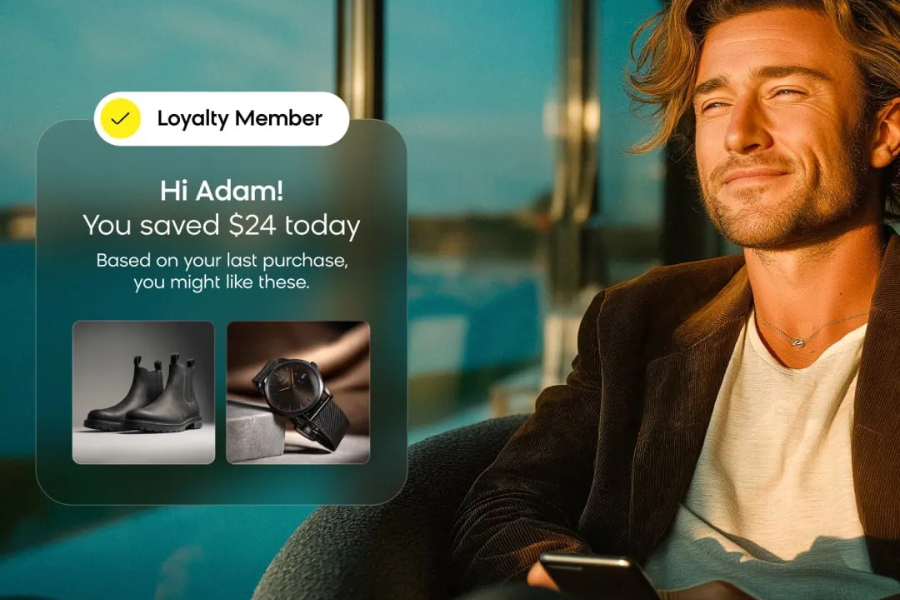
The traditional retail loyalty model characterized by rigid “Bronze, Silver, Gold” tiers and the slow accumulation of points is being dismantled. Replacing it is a high-velocity, data-driven approach known as Behavioral Hyper-Personalization. This shift treats every customer as a “Segment of One,” where rewards are triggered not just by how much someone spends, but by how they interact with the brand across digital and physical touchpoints.
From Transactional Points to Behavioral Triggers
The core failure of traditional loyalty programs in the mid-2020s was their “lag time.” Customers would earn points today but might not see a reward for months. In 2026, leading retailers like Waitrose and Sephora have pivoted toward “Instant Recognition.” This is powered by AI engines that analyze Zero-Party Data, preferences voluntarily shared by the user, and real-time behavioral signals to offer rewards at the exact moment of peak influence.
A standout example from March 2026 is the growth of the “Waitrose Little Treats” scheme. Rather than requiring users to climb a complex ladder, the system identifies “micro-behaviors.” For instance, if a loyalty member who usually shops online visits a physical store after a long absence, the system can instantly trigger a “Little Treat” like a free coffee or a significant discount on a favorite item, delivered via the app as they walk through the door. This isn’t a blanket promotion; it is a surgical strike designed to reinforce a specific positive behavior.
The In-Store Digital Takeover: Morrisons and Real-Time Bidding
The physical store is becoming an extension of the digital experience through Retail Media Networks. In early 2026, Morrisons accelerated the rollout of 300 digital advertising screens and real-time engagement platforms across its UK estate. These screens are no longer just showing static loops of bread and milk; they are integrated with the retailer’s loyalty engine.
This technology allows for a “Transaction-Moment” interaction. When a recognized loyalty member walks down the snack aisle, the digital shelf-edge screens can essentially host a real-time auction. Brands bid to display a personalized offer to that specific shopper based on their past purchase history or “churn propensity” (the likelihood they might switch brands). This turns the physical aisle into a dynamic web page that adapts to the person standing in front of it, effectively ending the era of the “one-size-fits-all” store circular.
Gamification and Squad Goals: The New Social Loyalty
As point systems become “boring,” 2026 has seen a massive surge in Gamified Progression. Retailers are moving away from telling customers they have “1,000 points” and are instead showing them “Progress Bars.” This leverages psychological principles of completion to drive repeat visits.
More uniquely, we are seeing the rise of “Squad Goals” in retail. Brands are now incentivizing social groups to pool their efforts. For example, a sports apparel brand might offer a 20% discount to a group of four friends, but only if all four members of the “squad” visit the store or log a workout in the brand’s app during the same week. This moves loyalty from a private transaction to a social activity, using peer encouragement to reduce customer churn.
Churn Prevention and Propensity Scoring
The most advanced element of 2026 loyalty is Predictive Analytics. Retailers no longer wait for a customer to stop visiting before they send a “We Miss You” email. Instead, AI models calculate a Propensity Score in real-time.
If the system detects a drop in app usage or a change in a customer’s usual Saturday morning shopping routine, it flags a “Churn Risk.” In response, the loyalty engine might trigger a non-monetary reward, such as early access to a new product drop or a personalized “gift” based on the user’s size and style preferences to re-engage them before they have even considered switching to a competitor. By the time 2027 arrives, the most successful retailers won’t just be those with the best products, but those whose AI understands their customers better than the customers understand themselves.
Sources: