Social media never deliver a good shopping experience
Home Depot recently added 100,000 products to Pinterest’s ‘Shop the Look’ feature, which nudges consumers to browse for other items similar to what they’re purchasing, rather than check out with only what they came to buy. It’s a major expansion of the home improvement retailer’s discovery shopping efforts, but the strategy itself is far from new.
Brands like QVC, Ross Stores, TJX, and even dollar stores are all built for discovery shopping — a term that describes the shopping that consumers do when they’re not sure what they want to buy, leaving them to shop for the love of shopping rather than out of any specific need or want. It’s always been around (nearly every consumer has taken a ‘just because” trip to Target and left with an armful of items), but in the days of search-based online shopping, retailers now have to take a more focused approach.
The concept has a lot to do with the way we think; retailers have long relied on discovery shopping to satisfy a specific aspect of consumer psychology. Research shows that 62 percent of small purchases are made to elevate the buyer’s mood.
Shoppers love the thrill of the hunt, and the positive experiences they have while discovery shopping build up strong brand relationships. To replicate this online, retailers will have to design an experience that puts a wide array of products in front of consumers and lets them explore organically — and social media is not the place to do that.
It makes sense that retailers would go to where consumers already gather, which is why Home Depot is partnering with a social media site Pinterest. But unlike social media or even online search, discovery has always been a key facet of the customer experience while shopping — and understanding how to delight your customers with new ideas has distinguished successful retailers for decades. Completely outsourcing this part of the business to a social media platform will ultimately make retailers little more than commodity service providers.
The missed opportunity here is that online retailers already have an ecosystem ripe for a positive discovery shopping experience online: their own websites and mobile apps. It’s important to convert sales on these platforms, as it empowers retailers to attract customers, better understand shopper behavior, and communicate their brand story.
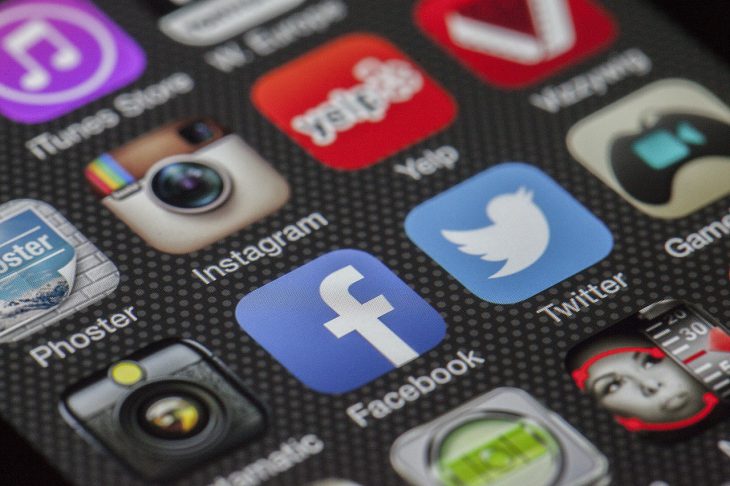
This isn’t to say discovery through social media isn’t worth investing in. Social media is one of retailers’ best tools for attracting new eyes and fresh interest in their products. But users don’t experience retailers when they’re on social media; they experience the platform. Brands themselves hardly stand out as part of a constantly refreshing feed of content from friends, family, and other brands competing for attention.
Compared to social media, a company’s official website and app is a more established space, one that a brand can truly own. Consumers visiting the site either want to purchase products or learn about a brand, making it the ideal space to prompt them with new discoveries — and drive additional purchases. Plus, providing shoppers with fuel for discovery where they already are makes shopping easier on them. It’s a win-win.
Social media is great for connecting with consumers, but it’s supplemental to a retailer’s own platform. Focusing on the official website empowers retailers to control how they engage and interact with consumers. It treats consumers like individuals instead of traffic — which makes products seem like opportunities and discoveries, not interruptions.
Source: retailcostumerexperience.com

You may also like
What Is Actually Working in Retail Technology in 2026

Smart Carts Are Quietly Replacing Self-Checkout