AI Now Decides What Fills the Shelves at a Major US Retailer
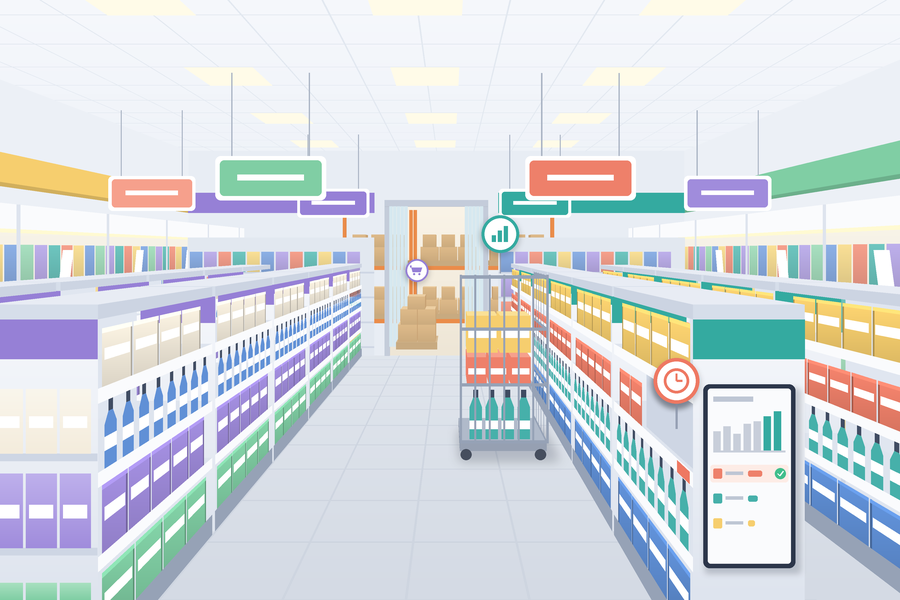
Every night, somebody has to decide how many boxes of cereal, bottles of shampoo and packs of batteries each store will need next week. At a major US general merchandise retailer, that somebody is now mostly software. On 18 November the company’s chief operating officer said that its AI led purchasing and replenishment systems now cover more than 90% of its assortment, up from about 40% a year earlier. The tools decide what the retailer buys, how much each store receives and when each shelf is refilled. The company reports that shelf availability has improved by more than a full percentage point, with the biggest gains in the items shoppers buy most often. For retailers everywhere, it marks the moment AI ordering moved from a pilot on a few categories to the default way a national chain keeps its shelves full.
What happened
The retailer has been widening the system for more than a year. When its chief executive described it in September 2025, it covered roughly 40% of the range. It now covers nearly all of it. The chief operating officer described the approach as using AI and advanced data science to make purchasing decisions smarter and faster. She paired it with allocation technology that positions stock across the network before demand arrives.
The company was careful about credit. It did not attribute the whole availability gain to AI and said it is reviewing the full flow of inventory, from purchasing through allocation and replenishment to the sales floor. It also says the tools reduce manual work for its teams and help it capture more sales.
A second tool sits behind the first. In August the retailer described a digital twin of the system that moves goods from its regional distribution centres to stores. The twin runs on the same data and logic as the live platform, so teams can test a change on the copy before touching real trucks and shelves.
From hunches to forecasts
Store replenishment used to rest heavily on people. A Japanese technology publication described convenience store ordering in 2023 as often driven by the owner’s or store manager’s intuition, with orders placed close to the deadline.
Japan’s convenience chains were early movers. One large chain introduced a semi automatic system for its daily fresh lines in 2015. These are sandwiches, boxed meals and hot food, about a quarter of its sales. The AI predicts sales and recommends items and quantities, and the orderer still decides. It draws on store sales history, weather, sales at other stores and the purchase history of its loyalty card base. The chain reported that daily ordering work fell by two hours per person. By late 2025 a version that forecasts demand at store level and recommends order quantities was in all of its stores. Its largest rival used a similar advisory tool, and a third chain planned to widen its use.
What has changed is scope. Early systems handled one category or advised a human. The US retailer’s system now runs across almost the whole range and sets how much each store receives.
AI replenishment starts with a forecast for every item in every store. The Japanese system, for example, combines store sales history, weather, sales at other stores and loyalty card data. The US retailer’s tools turn forecasts into three decisions: what to buy, how much each store receives and when each shelf is refilled. Allocation technology then decides where stock should wait in the network so it is close to where demand is expected.
Fresh food adds a clock. Expiry dates and supplier lead times mean too much stock becomes waste and too little leaves gaps. The retailer used its digital twin to test changes on 63 fresh food items before they reached the live network. Availability for those items rose 2.5%. The company built the twin in house because, according to a technology executive quoted in the trade press, many vendors could not support the breadth of its categories.
The twin also helped open new infrastructure. Before a large receiving centre in Houston began work, teams simulated how goods would flow in and out of it. The centre handles seasonal, bulky and hard to forecast items.
Where else it is spreading
Europe is moving at scale too. A German home improvement group has begun moving demand planning and replenishment for more than 660 stores in ten European countries onto a single AI platform. It will forecast demand and automate replenishment from distribution centre to store shelf, replacing several older systems. Forecast models were built for different ranges and planning horizons. Seasonal peaks and regional differences are the main challenges the group names. It also says a go live of this scale is never simply smooth.
In the United States the approach is spreading across formats. A fashion brand added AI tools this autumn that forecast demand for repeat orders and spread production across factories, and it now checks demand signals every day. A national department store group has added an AI forecast layer to its replenishment. A large discount chain and a home improvement chain work with specialist planning software for store ordering and demand trends.
The Japanese chain’s model keeps a person in charge. The system recommends and the orderer decides, which keeps franchise owners in control of their own stores.
The benefits
The first benefit is availability. Empty shelves cost sales and can erode loyalty, as analysts covering the US retailer point out. The company reports more than a full percentage point of improvement across a very large range, concentrated in its most frequently bought items, and says the tools help it capture more sales.
The second is time. Ordering is repetitive work that pulls staff away from customers and shelves. The Japanese chain’s two hours a day per person is a concrete measure of what store teams get back. The US retailer also cites less manual work.
The third is consistency. A system applies the same logic in every store, every day, and the Japanese system already folds weather into each recommendation. Testing changes on a digital twin adds a further safeguard. Teams can see whether a new rule causes gaps before shoppers do.
The challenges
Forecasts are only as good as their data. New stores start with no sales history, so the Japanese chain’s new stores order by hand until the system has enough data to work with. The German group names seasonal peaks and regional differences as the hardest patterns to plan for.
People have to trust the numbers. When the Japanese chain introduced its system, owners disliked that orders had to be prepared earlier than they were used to. Moving from recommendations to automatic orders removes the human check that the semi automatic model keeps, so rules for exceptions and overrides matter more.
Scale and integration are hard. The German group stresses that it designed its operating model before switching systems. The US retailer built its own twin because off the shelf tools did not fit its range. Fresh food is the hardest category, because expiry dates and supplier lead times leave little room for error.
Attribution is difficult too. The US retailer is reviewing every step from purchasing and allocation to replenishment and the sales floor, and it does not credit its availability gain to AI alone.
What it means for retailers
The decision about what to order has become one of the most automated decisions in retail. For a large chain, the question is no longer whether to use AI for replenishment but how much of the range to hand over and where people stay in the loop. A clear split is emerging. Some systems decide and staff manage exceptions. Others recommend and staff confirm.
The measures worth watching are practical ones. They include on shelf availability for top items, waste on fresh lines, hours spent on ordering and how often staff override the system. A digital twin, or at least a test environment that mirrors the live network, is becoming part of the toolkit. It lets teams change the rules without gambling with real shelves.
Shelves that order themselves
The next steps are already in motion. The US retailer plans to extend its digital twin to more parts of its network. It says insights from the twin could later feed AI agents that help staff weigh options, set priorities and automate responses. The German group is rolling its platform out to more than 660 stores across its markets. In Japan a third convenience chain plans to widen its use of AI ordering.
The shelf has always been where planning meets reality. A chain where software now sets the order for nine in every ten products shows how far that planning has shifted. The test now is whether shelves stay fuller through the busiest weeks of the year, and whether store teams use the time they get back to serve the shoppers in front of them.
Sources
[1] PYMNTS
[2] The Motley Fool
[3] Modern Retail
[4] CIO Japan
[5] Adnkronos

You may also like
Germany Switches Off Camera Checkout as Dubai Switches It On
Personal AI Agents That Shop for You Reach Latin America