Digital Product Passports and the End of Greenwashing
As of April 2026, sustainability in retail has officially transitioned from a voluntary marketing choice to a high-stakes legal requirement. The central driver of this shift is the EU’s Ecodesign for Sustainable Products Regulation, which has designated 2026 as the critical implementation year for Digital Product Passports. These passports are moving the industry toward a future where every garment and consumer good carries a verifiable “digital birth certificate,” fundamentally changing how brands communicate value to their customers.
The ESPR Framework and the 2026 Compliance Deadline
The ESPR, which came into force in mid-2024, is entering its most aggressive phase this year. While full mandatory enforcement for all textile sub-sectors is projected for late 2027, the EU Central DPP Registry is set to go live in 2026. This registry serves as the backbone for the “Circular Economy,” requiring brands to digitize the entire lifecycle of a product, from raw material extraction to end-of-life recycling instructions.
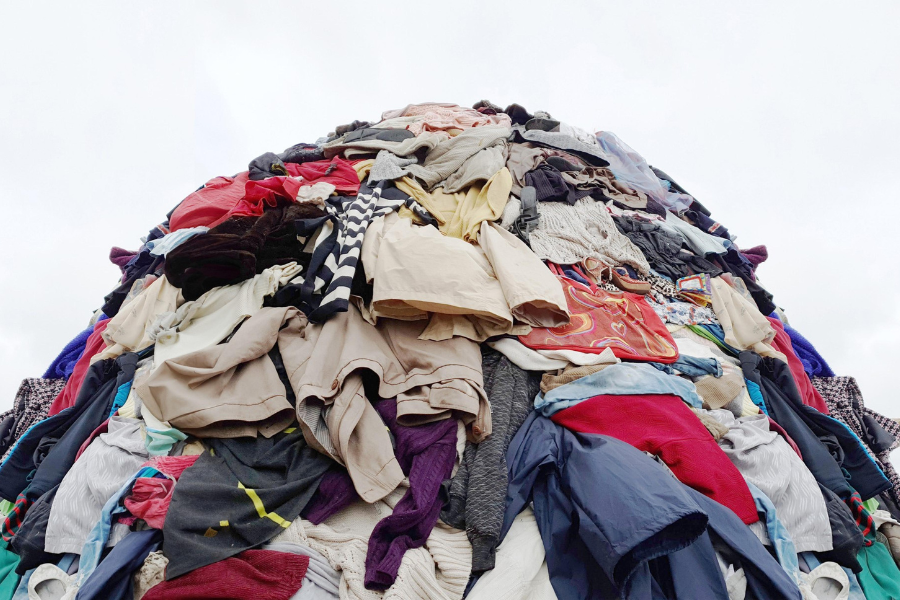
A significant update as of February 2026 is the adoption of new measures strictly prohibiting the destruction of unsold apparel and footwear for large enterprises. This ban, effective starting July 19, 2026, forces retailers to leverage DPP data to manage inventory more responsibly. If a product cannot be sold, the passport provides the detailed material composition (e.g., “98% Organic Cotton, 2% Recycled Elastane”) necessary for high-value recycling or authorized resale, preventing these items from ending up in landfills solely for economic reasons.
Strategic Implementation by Industry Leaders
Global retail giants are already piloting DPPs to stay ahead of these “delegated acts” that will eventually apply to all products on the EU market. H&M Group and Patagonia have been early participants in pilots like Trace4Value, testing how to move from batch-level QR codes to unit-level serialization.
For these brands, the DPP is not just a compliance hurdle but a tool for Circular Enablement:
- Verified Resale: When a customer scans a 2-year-old Patagonia jacket, the passport verifies its authenticity and original material quality, allowing the brand to instantly offer a trade-in value for their “Worn Wear” platform.
- Supply Chain Mapping: Companies are now required to audit Tier 2 and Tier 3 suppliers. In 2026, the data must reflect the specific facility where the yarn was spun, not just the country of origin.
- Recycling Precision: At the end of a product’s life, the DPP provides recyclers with “material truth.” Knowing the exact chemical content and fiber blend allows for chemical recycling processes that were previously impossible with unverified “eco-friendly” claims.
The Death of Greenwashing and the Rise of “Material Truth”
The most profound impact of the 2026 DPP rollout is the elimination of vague buzzwords like “conscious” or “planet positive.” Under the new rules, any environmental claim must be backed by the Product Environmental Footprint methodology embedded within the passport.
The transition involves a three-step technical stack that brands are rushing to finalize this quarter. First, a Traceability Platform must collect and verify evidence across fragmented supplier spreadsheets. Second, this data must be integrated into the Product Lifecycle Management system to ensure the “source of truth” is accurate. Finally, a durable Data Carrier, typically a serialized QR code or an NFC chip designed to survive years of washing, is attached to the garment.
As we move through 2026, the Digital Product Passport is becoming the “red line” for market access. Products that do not meet these minimum benchmarks for durability, reparability, and transparency will simply be excluded from the EU internal market. For the consumer, it means the end of “trust me” marketing and the beginning of a “show me the data” era in retail.
Sources:

You may also like

Digital Twin Supermarkets Go Live

How Zero-Shot AI Delivers Same-Day Proof of In-Store Marketing Execution