Accidental stockpilers driving shelf shortages in the UK
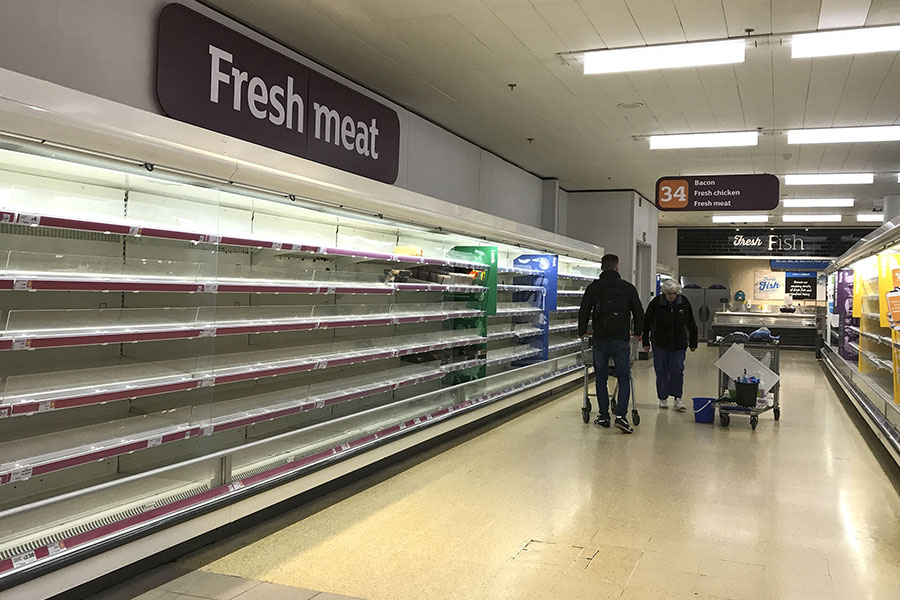
Shoppers are not intentionally buying in bulk due to the coronavirus outbreak, but they are making more trips to the supermarket.
New data from Kantar shows extra demand in supermarkets is largely being driven by people adding a few extra items to baskets and making more trips, rather than shoppers buying large amounts of the same item in one go.
Analysing the shopping habits of over 100,000 UK consumers, Kantar found that just a minority of people are engaging in what might traditionally be thought of as stockpiling. For example, 6% of liquid soap buyers have taken home extraordinary quantities, and only 3% of dry pasta shoppers.
Instead a significant number of consumers are adding a few extra products each time they visit a store. The average spend per supermarket trip rose by 16% in the week ending 17 March to £22.13 compared to the same week a month ago. As consumers reallocated spend to groceries, supermarkets took 51% of all retail sales, an increase of 7 percentage points on mid-February.
Customers are also choosing to shop more often, exacerbating the impact of slightly larger baskets. An additional 15 million supermarket visits were made in the week ending 17 March, compared to the week ending 17 February.
While most of us have seen images circulating online of people bulk buying products like toilet rolls and pasta, our data gives us a different, if counterintuitive, diagnosis of what’s happening.
Ultimately we need to look at the empirical evidence and it tells us that temporary shortages are being caused by people adding just a few extra items and shopping more often – behaviour that consumers wouldn’t necessarily think of as stockpiling. People will also be eating in more as a result of social distancing and increased working from home. Consumers spend more than £4 billion each month on food and drink out of the home, a significant proportion of which will now be channelled through the supermarkets.
It’s not just how much people are buying but what. We’re seeing customers shop beyond their normal, regular product choice, putting pressure on supplies of items that aren’t usually bought as often. Purchasing typically made over a couple of weeks or longer is being concentrated into a few days.
Retailers have adapted to make sure everyone can access the products they need, with many restricting the number of any one good each customer can buy. However, the cumulative impact of a little extra, a little bit more often means these measures may have limited effect in the short term.
Sales of toilet tissues rose by 60% year-on-year for the week ending 8 March 2020, while dry pasta sales were up 55% and baked beans by 48%.
Alongside supermarkets, health and beauty stores, bargain retailers and convenience stores all saw a rise in sales during the week ending 17 March, with trips increasing month-on-month by 25%, 29% and 19% respectively. Meanwhile, visits to pet stores went up by 27%. Conversely opticians, clothing stores, sports shops, auto specialists and unsurprisingly restaurants have been hit hardest by the downturn in trade. Kantar is analysing the numbers regularly to keep clients updated. Retailers and manufacturers are working hard to respond to customers’ needs. It’s important for them to understand what the new essentials are for consumers and what the ‘new normal’ might look like once this crisis passes.
Source: Kantar

You may also like
Why Every Online Order May Soon Get a Made to Measure Box

AI Agents Step Into the Store Manager’s Office