Retail Hub Concludes Innovation Tour in London, Identifies Key Trends in One of Europe’s Most Advanced Grocery Markets

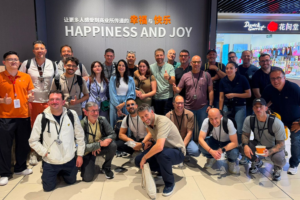
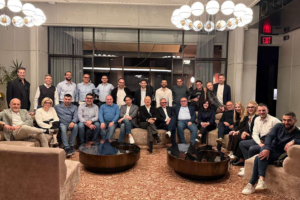
Retail Hub has concluded its Innovation Tour in London, one of the most advanced grocery markets in Europe. The tour brought participants on an immersive journey to discover the most cutting-edge stores, emerging formats and trends that are redefining the shopping experience. The experience was guided by Retail Hub’s team of experts and provided participants with firsthand exposure to the stores, formats, and strategies of the main players in the UK grocery sector. The main takeaways from the tour have been compiled in an insight document curated by Stefano Motta, Chief Operating Officer of Retail Hub.
Positioning and Format
According to the insights gathered during the tour, UK retailers have clear and distinctive positions. Tesco and Sainsbury’s remain generalist retailers, while smaller players focus on high-value niches. The tour observed a growing integration between grocery and food service, with ready-to-eat and on-the-go offerings becoming increasingly prominent. This trend reflects changing consumer preferences for convenience and prepared food options within the retail setting.
Loyalty and Data
The analysis highlighted that loyalty cards are the key asset for UK retailers. Offers are increasingly personalised through data, building direct relationships with customers. The insight document emphasises that data no longer just supports strategy but is the engine of strategy itself. Retailers are leveraging customer data to create more targeted and relevant shopping experiences, strengthening customer loyalty and engagement.
Visual Merchandising and Private Label
The tour observed that stores are increasingly curated and fashion-oriented in their visual merchandising. Private label now accounts for over 40% of sales, and it is no longer just about affordability but about creating distinctive brands. Private label has evolved from a pricing lever to a strategic tool for differentiation and brand building, allowing retailers to create exclusive offerings that build customer loyalty and distinguish them from competitors. The visual experience is becoming a key competitive weapon.
Fresh, Health and Local
The analysis also highlighted the growing focus on fresh products processed in-store, with health-oriented products in strong growth and short supply chains increasingly valued. Retailers are building offerings consistent with consumer preferences for freshness, health, and local sourcing. The emphasis on shorter supply chains and greater transparency reflects broader trends toward sustainability and authenticity in food retail.
E-commerce and Delivery
The tour observed that e-commerce in the UK accounts for approximately 12% of total retail. Delivery is now an integral part of the business, often through partnerships with platforms such as Deliveroo and Uber Eats. The integration of online and offline channels reflects a broader shift toward omnichannel retail, where consumers expect seamless shopping experiences across all touchpoints.
Retail Evolving Toward Increasingly Hybrid Models
According to the insights, retail is evolving toward increasingly hybrid models. In the UK, grocery is evolving toward distinctive, experiential, and data-driven formats. The ability to observe these trends in real-time is key to being prepared for the future. The tour provided participants with concrete insights into how the sector is changing, from retailer specialisation to integration with catering, up to the central role of data, private label, and in-store experience.